After a house clearance, the biggest question is often not what needs to go, but where everything should go next. A single home can contain furniture, electricals, metal, paper, textiles, garden items and personal belongings, all mixed together in cupboards, lofts, sheds and garages.
Recycling after a clearance works best when items are sorted by material, condition and risk. This guide explains what can usually be recycled, what may be suitable for reuse, and what needs more careful handling before it leaves the property.
Furniture, wood and larger household items
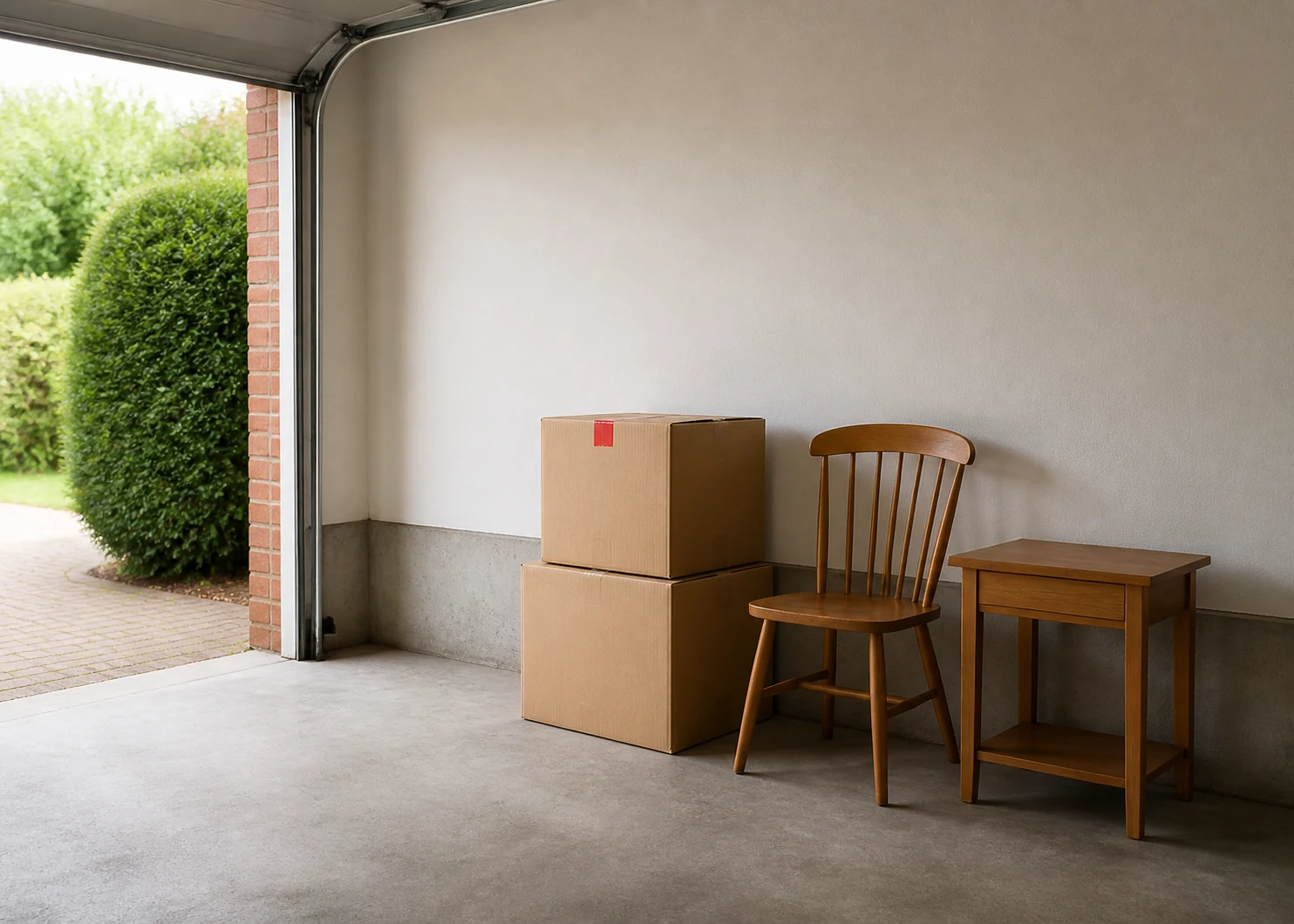
Furniture is one of the first things people notice during a clearance because it takes up space quickly. Wardrobes, tables, chairs, bed frames, bookcases and cabinets may be recyclable, reusable or unsuitable for either route depending on their condition and materials.
Solid wood furniture is often easier to assess than mixed material items. If a piece is clean, stable and usable, reuse may be the better option. If it is broken, badly swollen, heavily stained or unsafe, it may be separated as wood waste where suitable facilities are available. Flat pack furniture can be more complicated because it often contains chipboard, laminate, glue, fittings and plastic edging.
Upholstered furniture needs extra care. Sofas, armchairs, dining chairs with padded seats and mattresses may be subject to specific handling rules, especially where fire labels, foam or contamination are involved. Some items can still be reused if they are clean, complete and compliant, but others may need to be processed separately rather than treated as ordinary bulky waste.
Before a clearance, it helps to leave larger pieces accessible where possible. Clear a safe route through hallways and around stairs, but do not dismantle heavy furniture unless you are confident it can be done without damage or risk. A professional team can usually advise whether an item is better kept whole for reuse, taken apart for movement, or separated for recycling.
Paper, books, cardboard and packaging
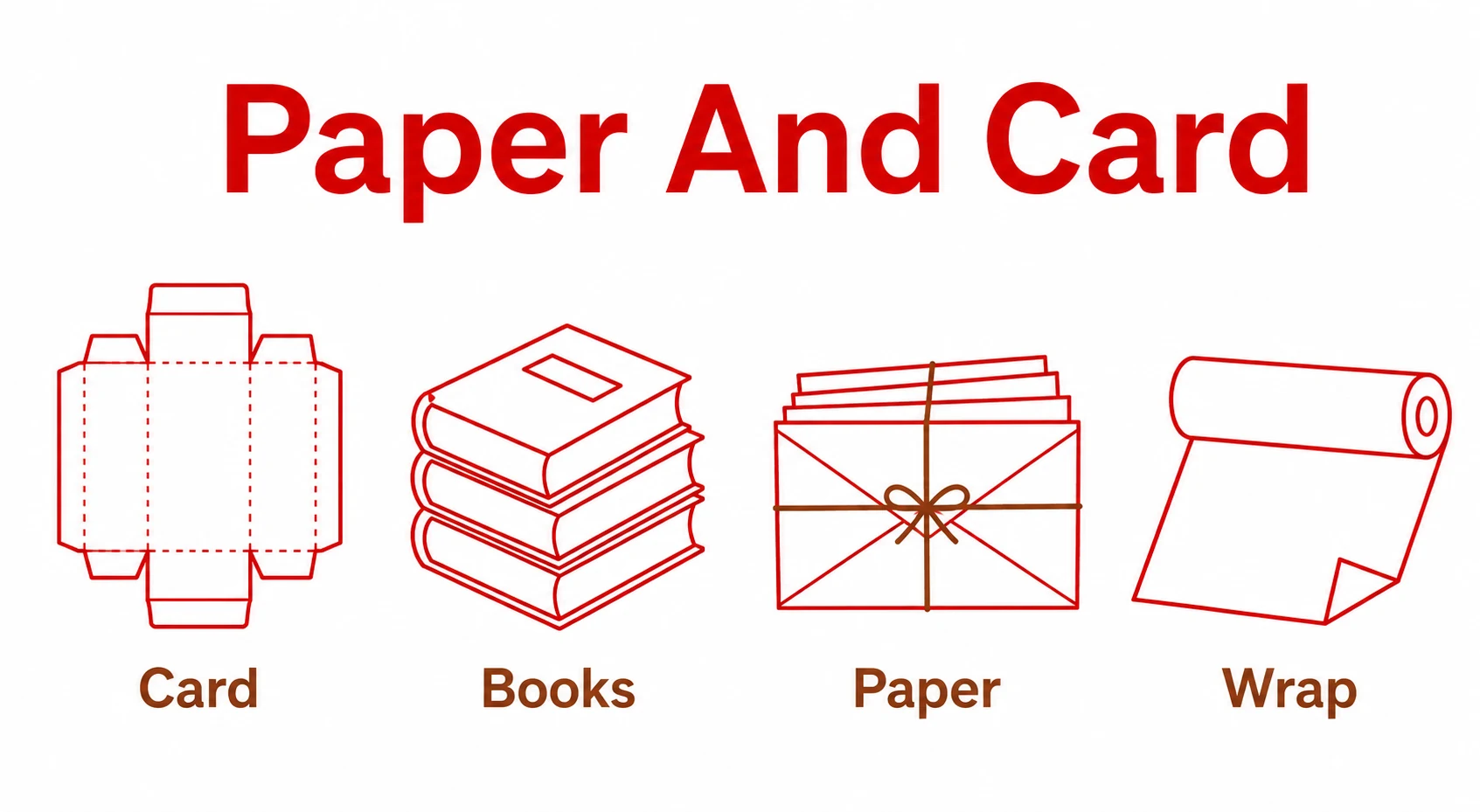
Paper and cardboard are among the most common recyclable materials found during a house clearance. Old paperwork, magazines, envelopes, packaging, cereal boxes, delivery boxes and storage cartons often build up in spare rooms, lofts and garages over many years.
Clean, dry cardboard is usually straightforward to recycle. Brown cardboard boxes are especially useful when they have not been spoiled by damp, food residue, oil or heavy contamination. Flattening boxes can save space, but during a full clearance it is often more useful to keep some sturdy boxes available for sorting smaller items, documents or fragile belongings.
Books are slightly different. Some may be suitable for reuse, donation or resale if they are clean and complete. Damaged books, outdated manuals and heavily marked paperbacks may still be recyclable, although hardback covers, plastic coatings and spiral bindings can affect how they are processed. Where there is time, separating books in good condition from general paper can prevent useful items being lost in bulk recycling.
Personal paperwork should never be treated casually. Bank documents, medical letters, legal papers and identity documents should be separated for secure disposal or kept aside for review. During sensitive clearances, especially where family papers are involved, a careful sorting process matters as much as speed. For households dealing with an estate, probate packing support can help keep important documents and possessions organised before removal decisions are made.
Electrical items, appliances and cables
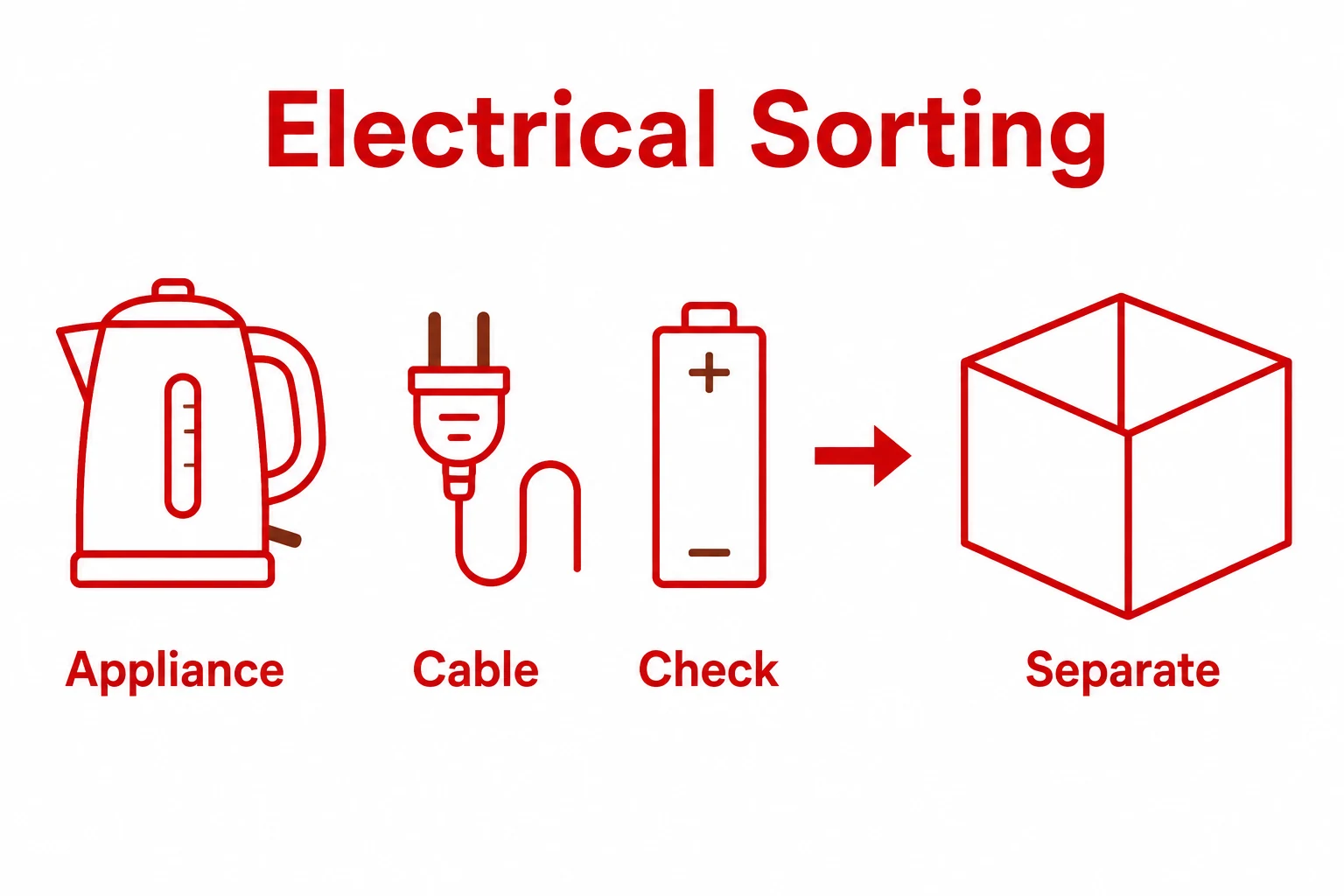
Electrical items are common in almost every clearance. Kettles, lamps, televisions, radios, computers, printers, hairdryers, power tools, chargers and extension leads all need to be handled separately from ordinary household waste. Even small electricals can contain metals, plastics, batteries and components that are better recovered through the right route.
Large appliances, often called white goods, should also be assessed carefully. Fridges, freezers, washing machines, ovens, tumble dryers and dishwashers may contain materials or components that need specialist processing. They should not be mixed with general clearance waste, and they should not be left outside where they can become damaged or unsafe.
Cables and chargers are worth gathering together. A drawer full of unknown leads may look like clutter, but copper and other materials can often be recovered. The same applies to metal backed appliances, old speakers, computer towers and some home entertainment equipment. If an item has a plug, charger, battery compartment or circuit board, it is usually worth treating it as electrical waste until confirmed otherwise.
Data is another important point. Laptops, phones, tablets, external hard drives and memory cards may contain personal information. Recycling the device is not the same as dealing with the data. Anyone arranging a clearance should separate these items first, decide whether they need to be retained, wiped or destroyed, and avoid sending them away mixed into general electrical recycling.
Metal, glass, textiles and everyday mixed materials
Many smaller household items can be recycled if they are sorted sensibly. Metal pans, cutlery, curtain poles, tools, shelving brackets, filing cabinets, bed frames and bicycles may all contain recyclable metal. Clean metal is often easier to route than items made from several bonded materials, so it helps to keep obvious metal items together where possible.
Glass is common in kitchens, bathrooms, cabinets and decorative storage. Bottles and jars are usually familiar recycling items, but mirrors, window glass, drinking glasses and light bulbs can require different handling. Broken glass should be made safe before anyone moves it. Wrapping sharp pieces and marking them clearly protects the people carrying out the clearance.
Textiles cover more than clothing. Curtains, bedding, towels, cushions, rugs, fabric offcuts and soft furnishings all appear during clearances. Clean clothing and household textiles may be suitable for reuse or textile recycling. Damp, mouldy or heavily soiled textiles are less likely to be accepted and may need a different disposal route. Shoes, bags and belts can also be worth separating if they are in usable condition.
Mixed material items need judgement. A laundry basket, suitcase, pushchair, vacuum cleaner or decorative storage unit may contain plastic, metal, fabric and rubber. These items are not always simple to recycle whole. A practical clearance process sorts what can be separated easily, identifies items that have reuse value, and avoids promising that every mixed item can be recycled in the same way.
Items that are better reused, donated or checked first
Recycling is valuable, but it is not always the best first option. If an item is safe, clean and genuinely useful, reuse can often preserve more value than breaking it down into materials. Kitchenware, small furniture, ornaments, tools, books, toys, lamps and storage items may all be suitable for another home if they are in good condition.
Donation works best when items are complete and ready for use. A charity or reuse outlet is more likely to accept a clean dining set than a box of chipped plates, or a working lamp than one with missing parts. Sorting with this in mind saves time and helps avoid moving unsuitable items from place to place. The article on how unwanted items can help others gives more context on when donation may be appropriate.
Some belongings should be checked before leaving the property at all. Jewellery, watches, medals, photographs, keys, paperwork, memory devices and family items can be hidden inside drawers, coat pockets, boxes and old bags. A careful review can prevent accidental removal of sentimental or important possessions.
Hazardous or restricted items need separate attention. Paint, chemicals, gas canisters, asbestos containing materials, medicines, some batteries and certain garden products should not be placed with normal recyclables. If there is any doubt, the safest approach is to keep them separate and ask for guidance before collection. A responsible clearance is not just about removing volume, it is about recognising when an item needs a more controlled route.
How to make sorting easier before the clearance begins
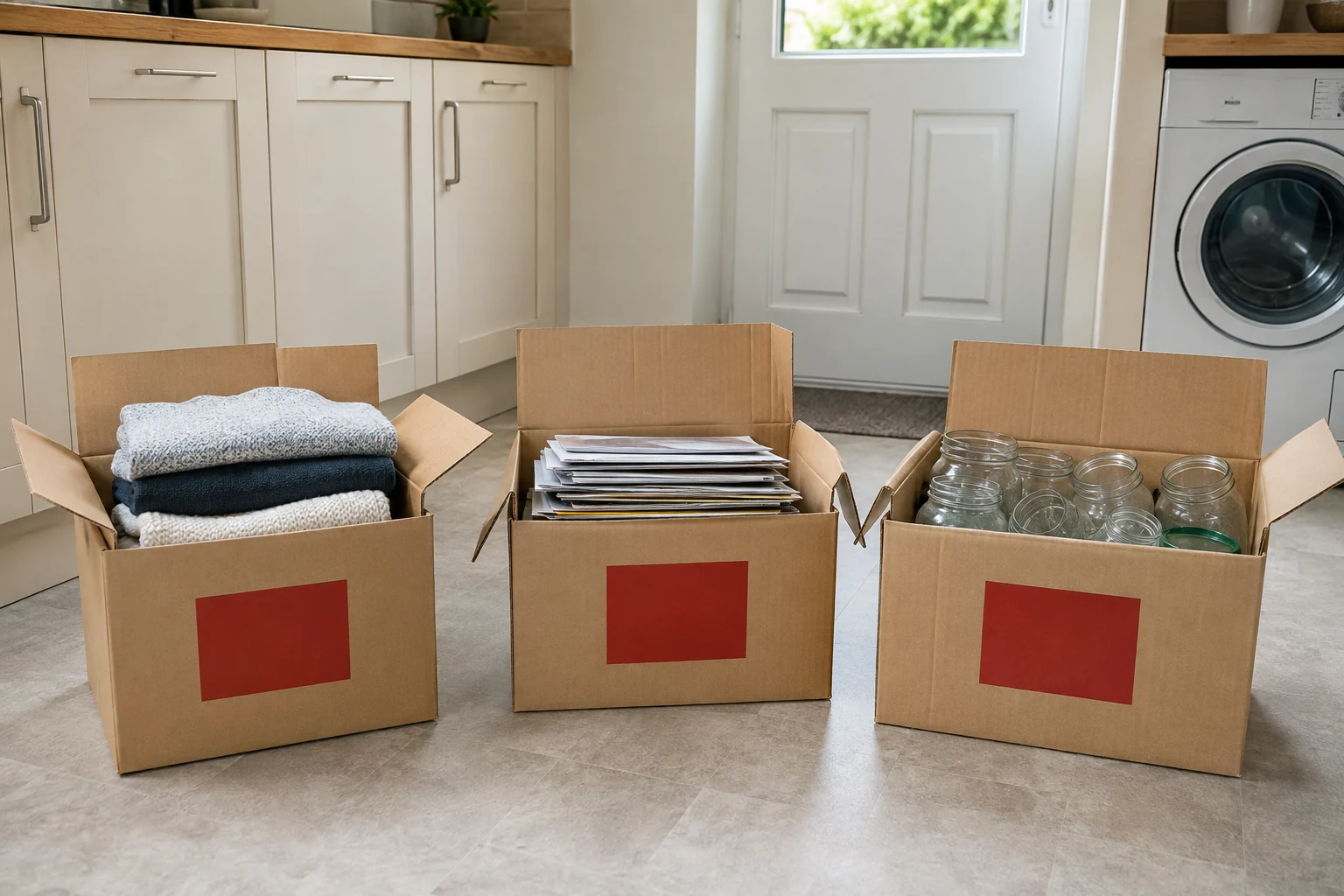
You do not need to fully sort a whole property before arranging a clearance, but a little preparation can make the process smoother. Start with obvious categories: paperwork to review, items to keep, possible donations, electrical items, textiles, metal items and general waste. Even a rough separation can help a clearance team make better decisions on the day.
Use clear bags, boxes or labelled areas if available. Keep fragile items together and avoid overloading boxes with books or paperwork, as they become difficult to lift safely. If lofts, garages or sheds are involved, make sure access is clear enough for safe assessment. Do not climb into unsafe spaces or move heavy items alone.
It is also sensible to decide who has authority over final decisions. In family clearances, one person may want items moved quickly while another wants time to review belongings. Agreeing what must be kept, what can be donated and what can be recycled reduces stress once work begins. This is especially important after bereavement, where emotional decisions during house clearance can make practical sorting feel much harder.
For larger or more complex clearances, using a service that already understands recycling routes can remove a lot of uncertainty. The dedicated household recycling service explains how recyclable materials can be identified and handled as part of a wider clearance, without expecting you to manage every category alone.
- Clean, dry cardboard, paper, metal, textiles and many electrical items can often be separated for recycling.
- Usable furniture, books, kitchenware and household items may be better suited to reuse or donation than material recycling.
- Electricals, data devices, upholstered furniture and hazardous items need more careful handling.
- Sorting items into broad categories before collection can make the clearance more efficient and reduce accidental disposal.
- Personal documents, valuables and sentimental items should be checked before anything leaves the property.
Frequently asked questions
Can all household items be recycled after a clearance?
No. Many items can be recycled, but condition, material type and local processing options matter. Some items are better reused, some need specialist handling, and some may need disposal if they are contaminated or unsafe.
Should I sort everything before booking a clearance?
You do not need to sort everything perfectly. It helps to separate obvious keepsakes, paperwork, electricals, donations and hazardous items, but a clearance team can usually help identify suitable routes for the rest.
What should I do with old electrical items?
Keep electrical items separate from general waste where possible. Anything with a plug, battery, charger or circuit board may need a specific recycling route. Devices that store data should be checked before removal.
Are clothes and soft furnishings recyclable?
Clean clothing, bedding, towels and some textiles may be reused or recycled. Damp, mouldy or heavily soiled textiles are less likely to be accepted, so they should be separated and assessed honestly.
Need help sorting a clearance?
If you are planning a house clearance and want items handled thoughtfully, ask for practical advice before the work begins. A careful approach can make recycling, reuse and disposal much easier to manage.